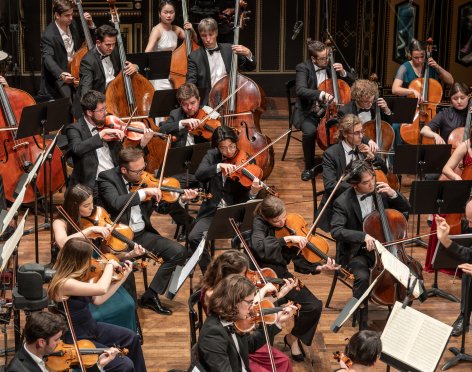
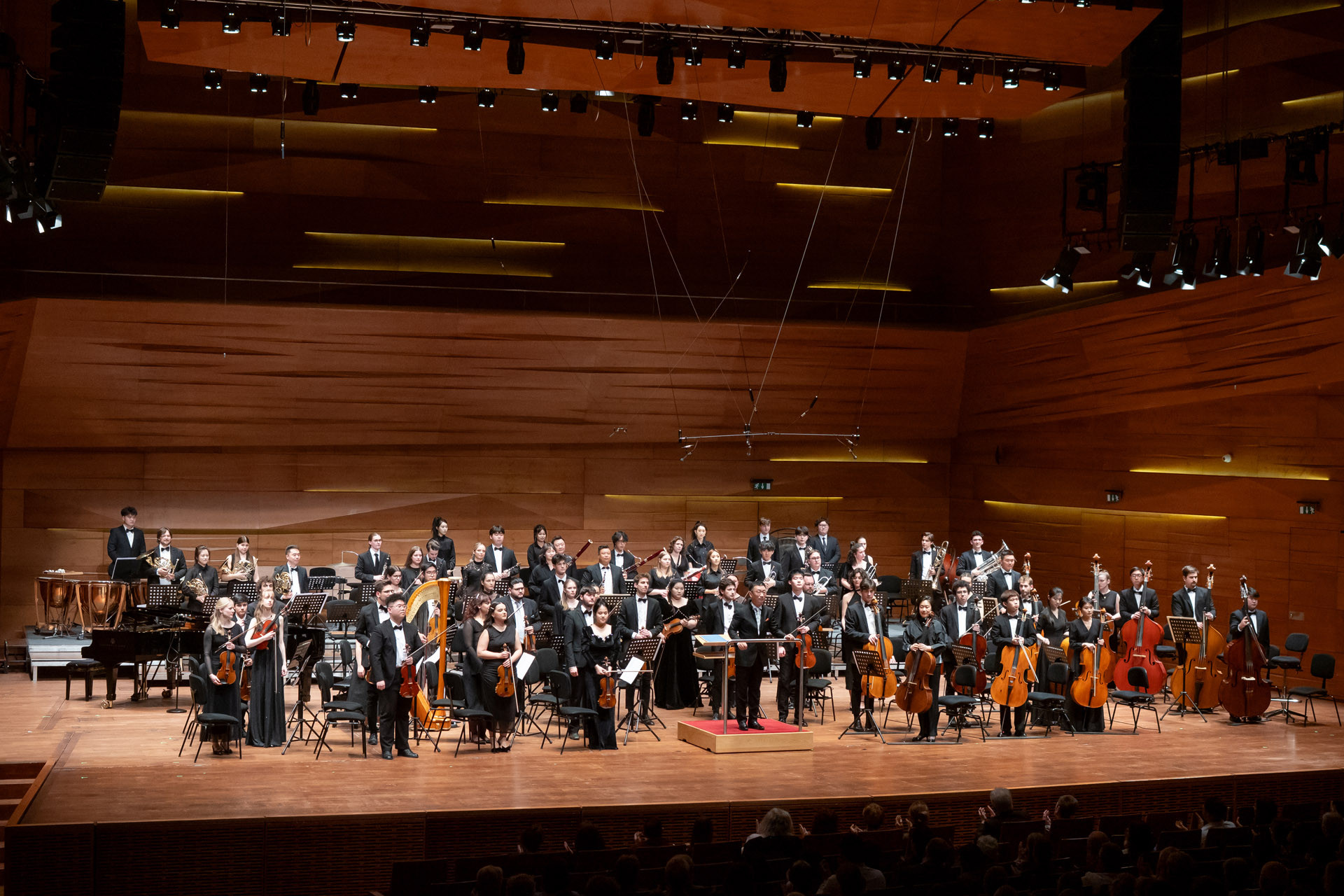
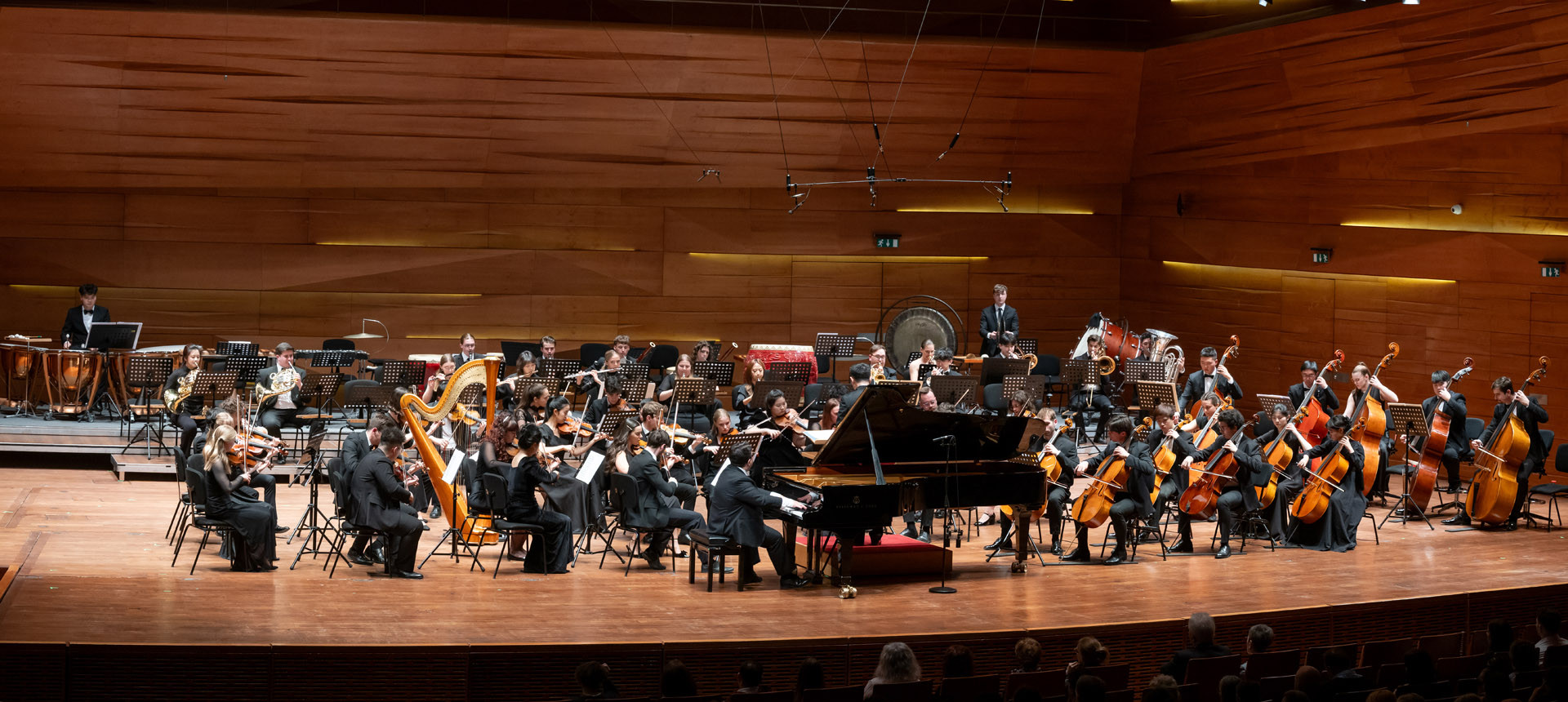
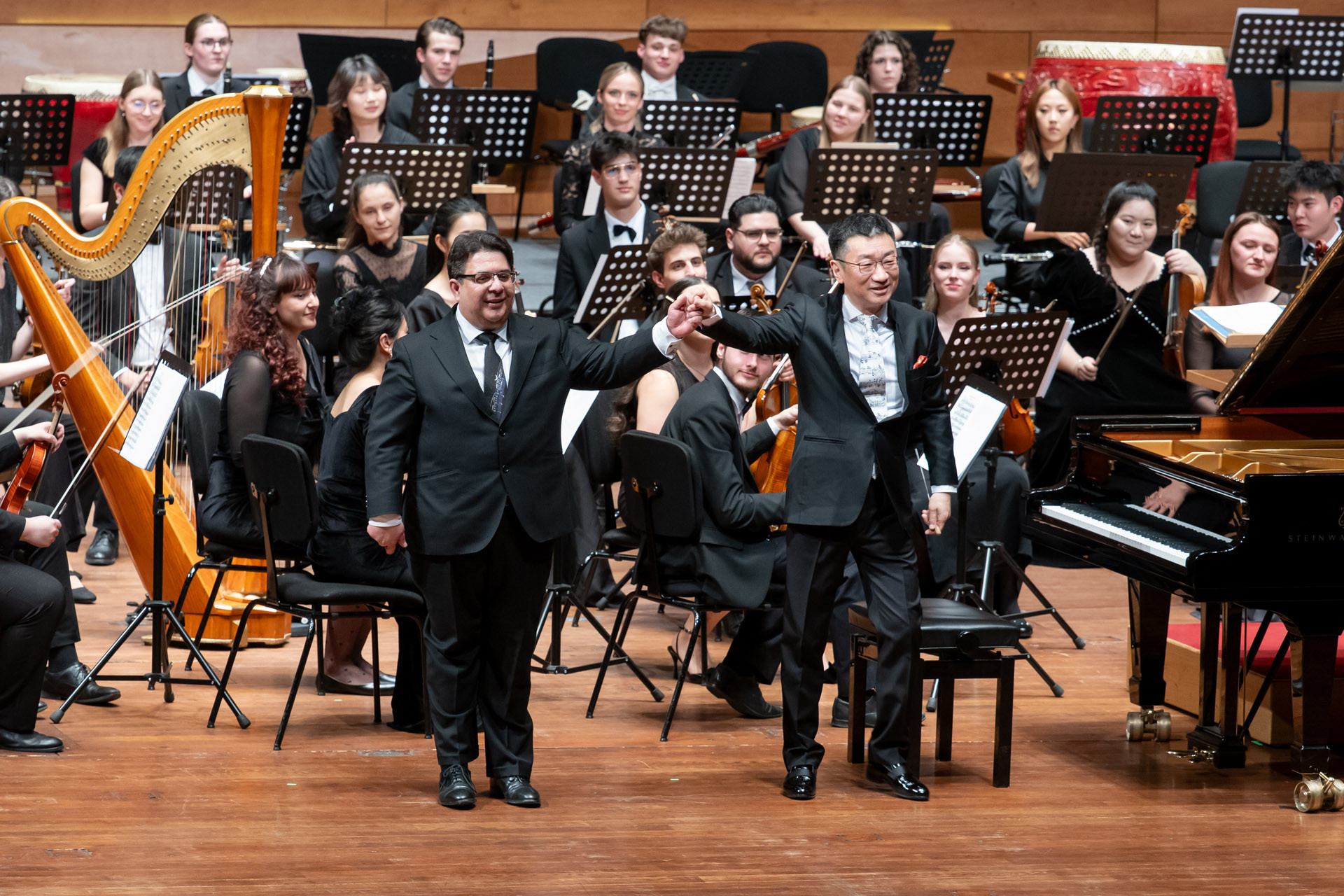
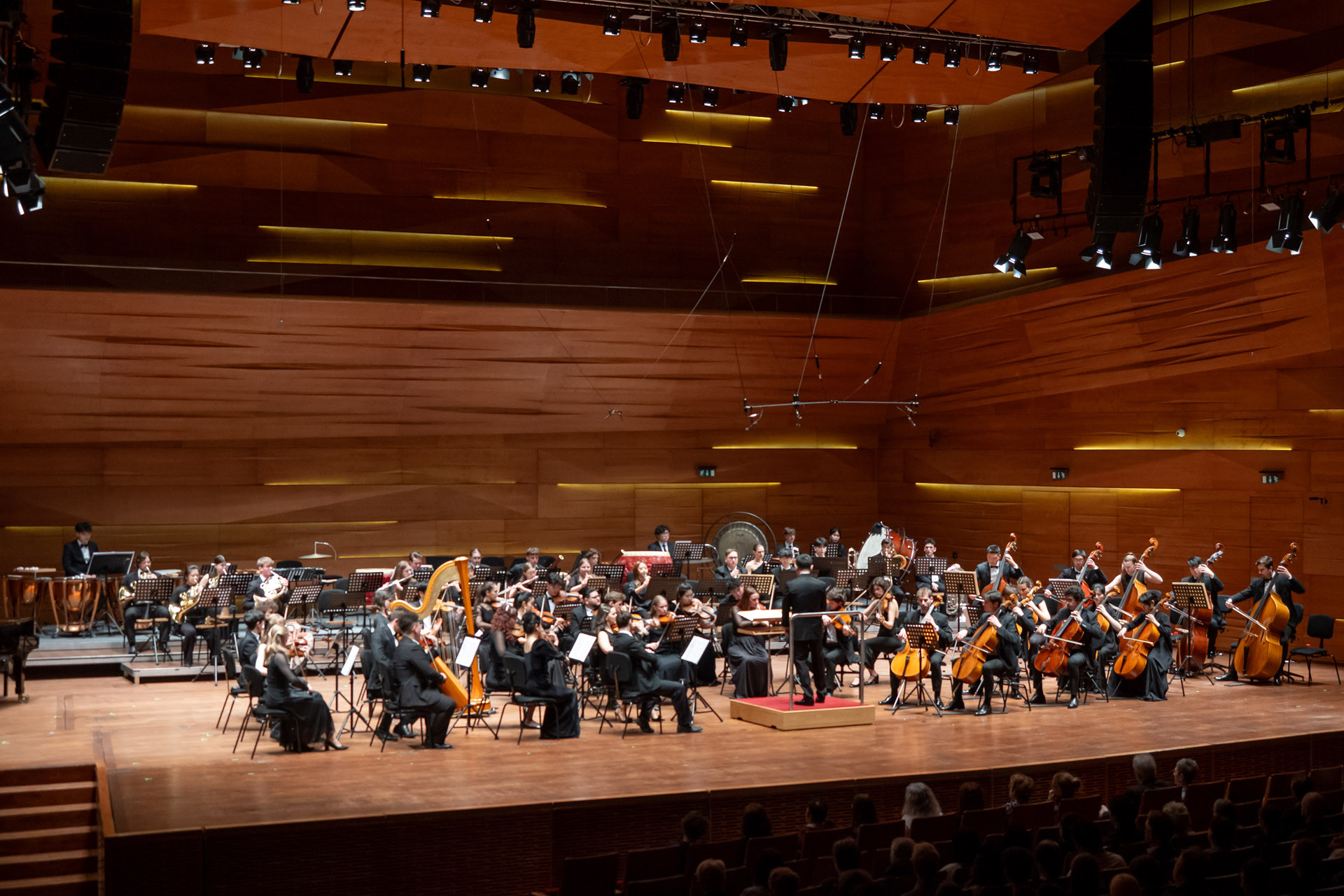
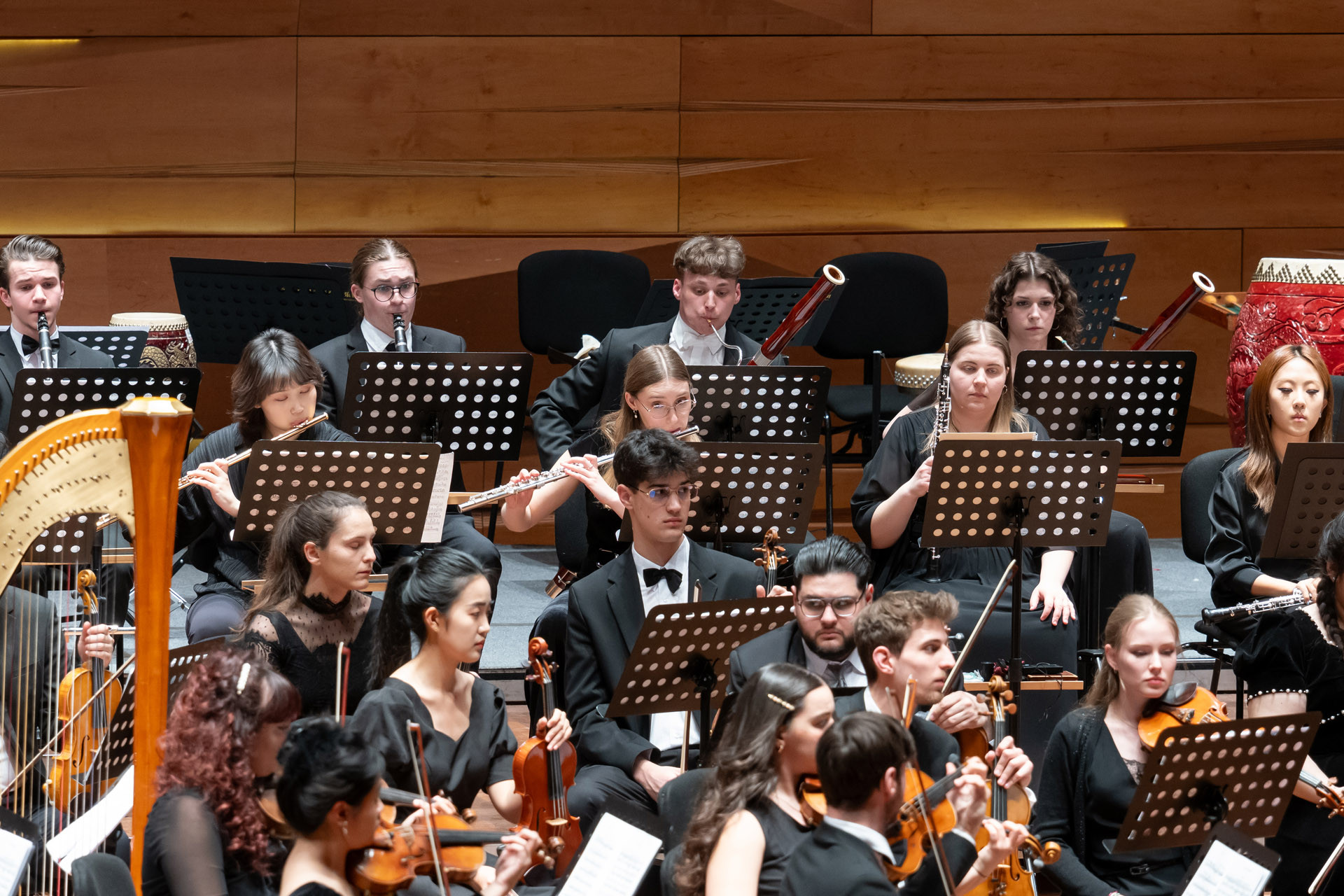
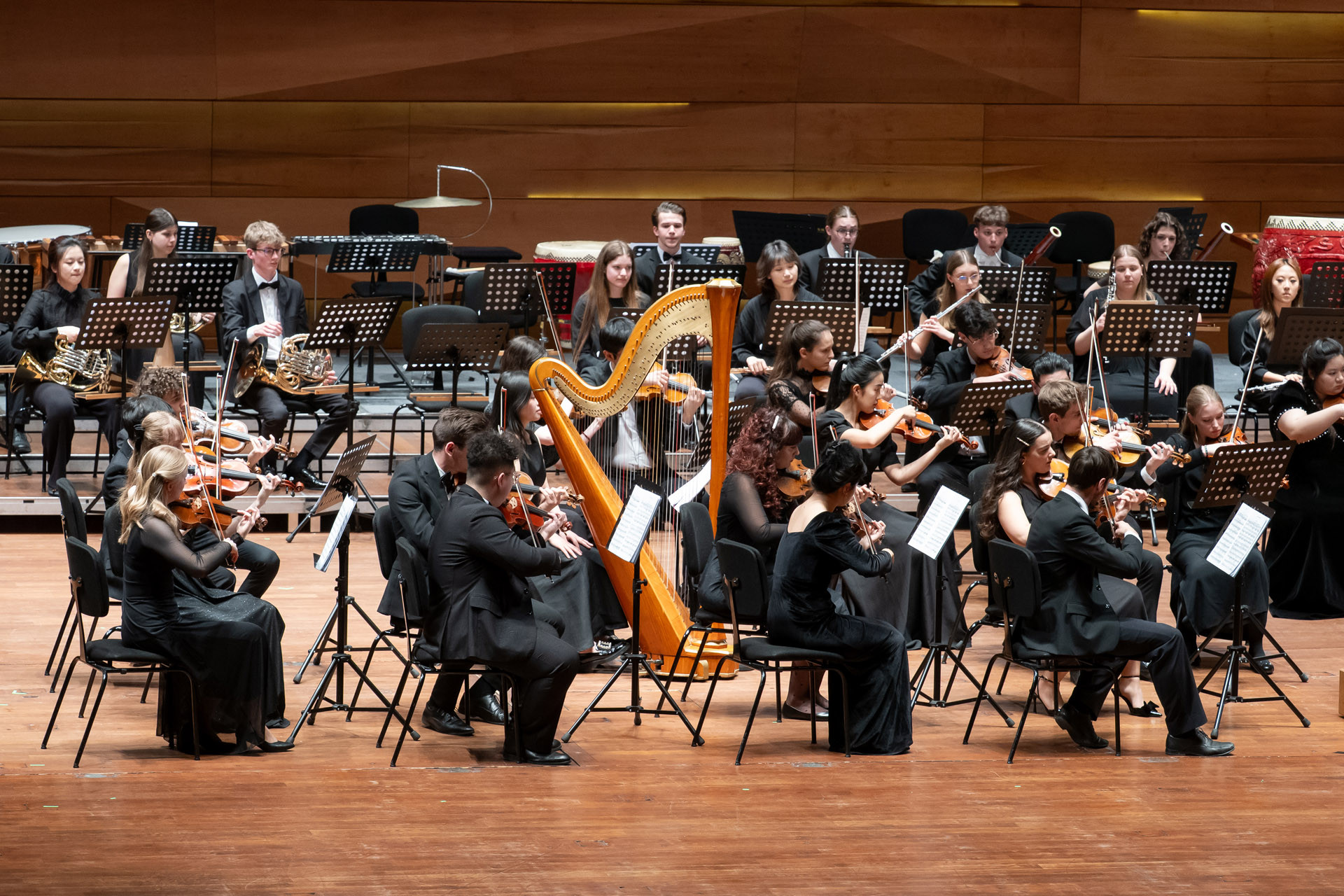
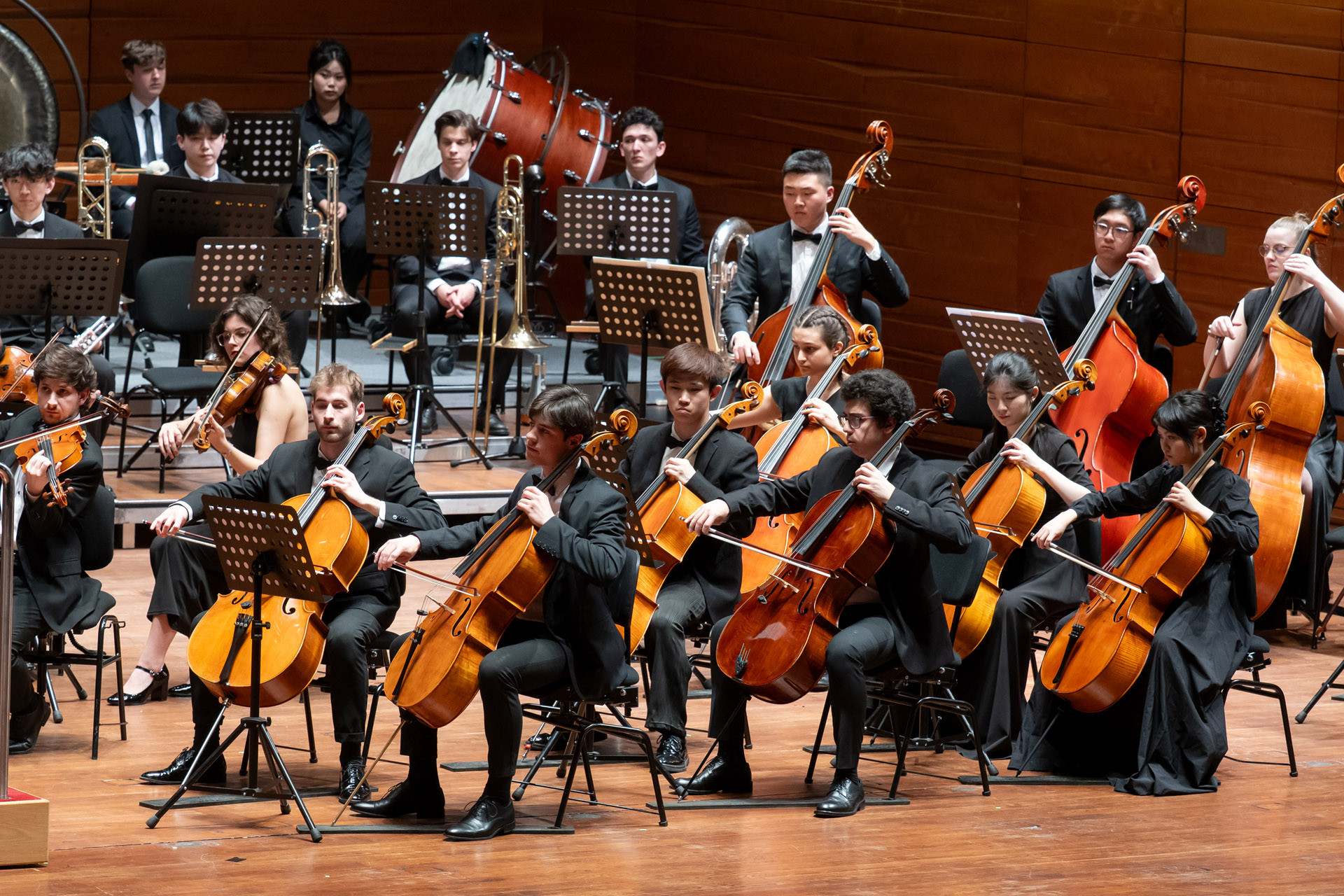
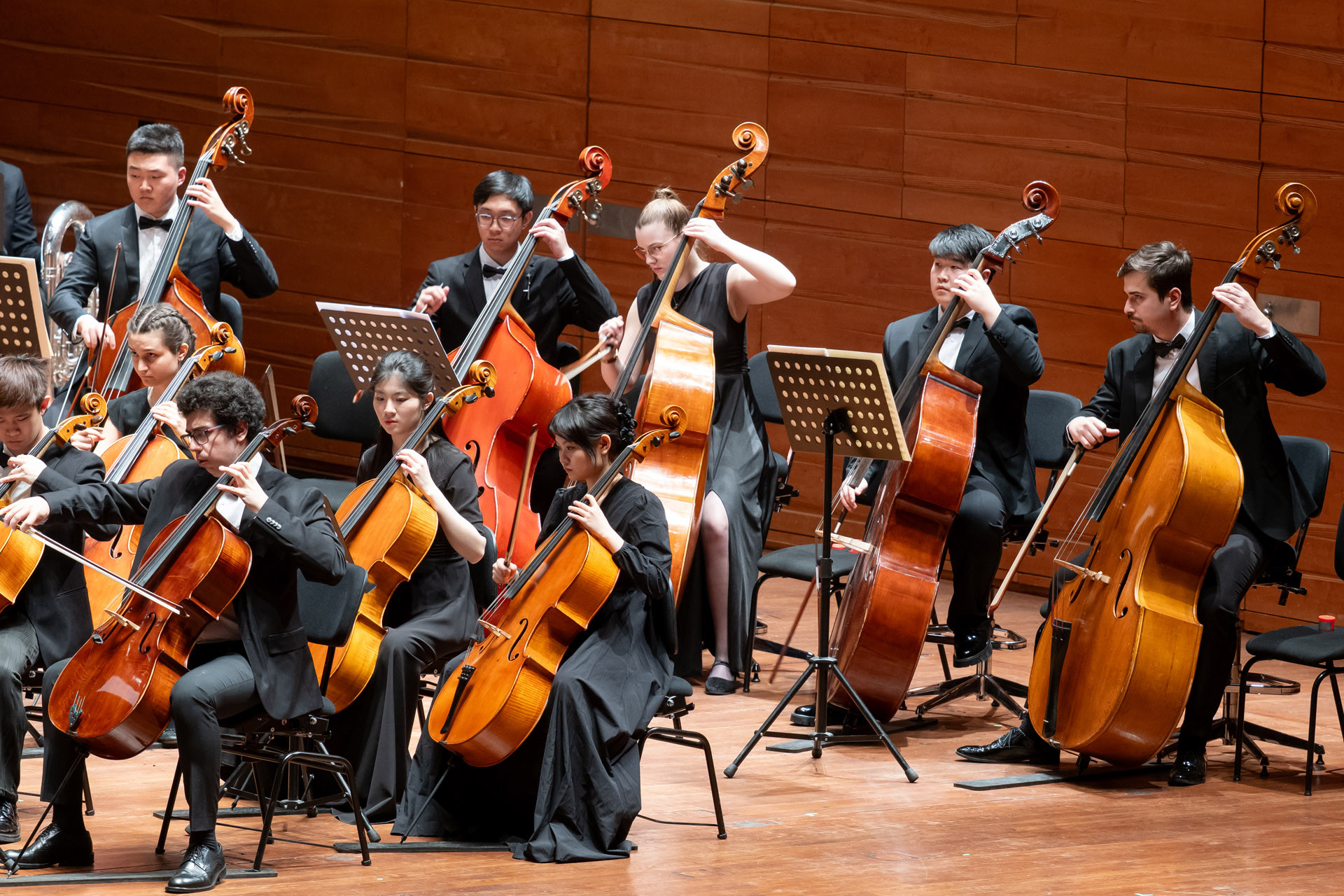
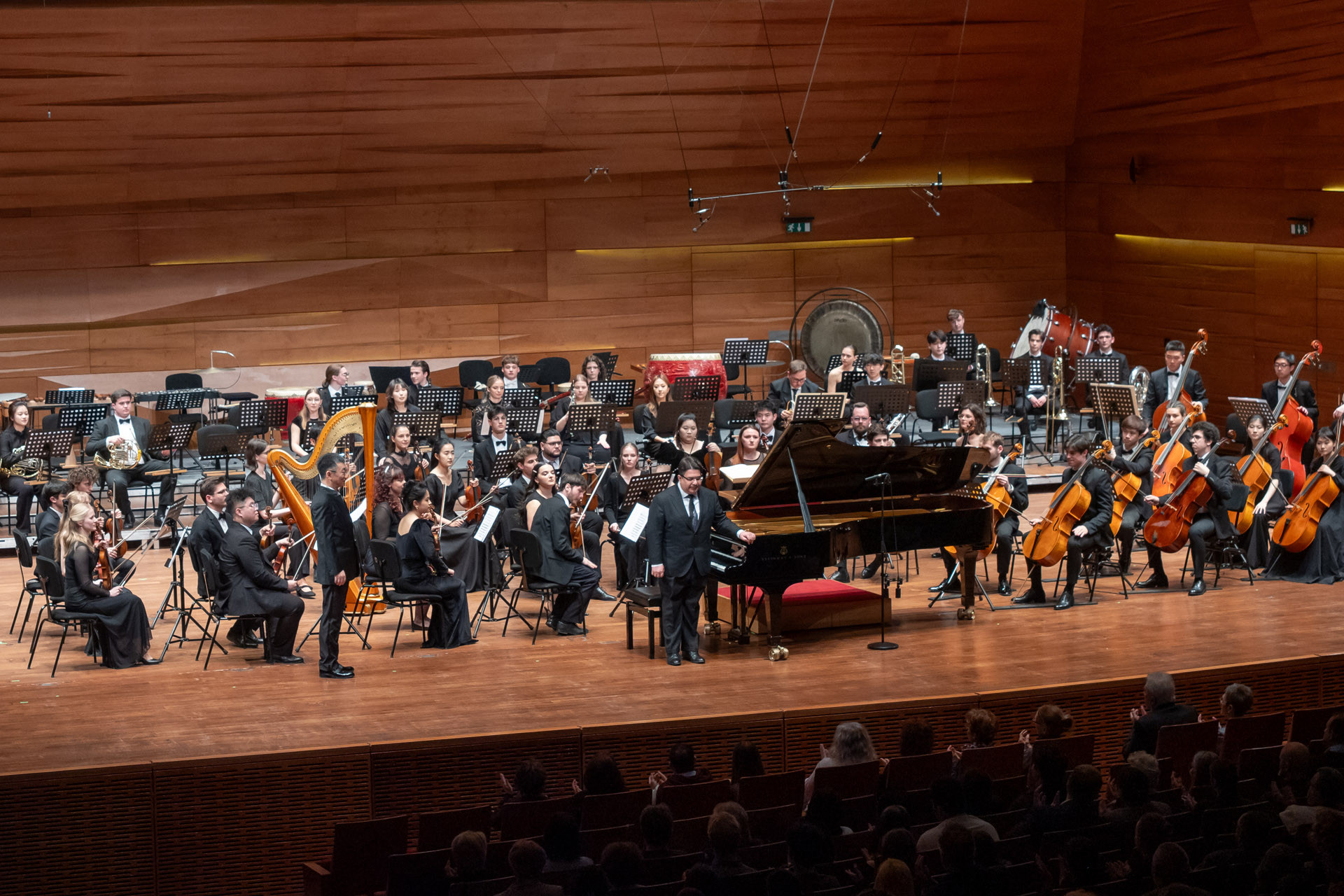
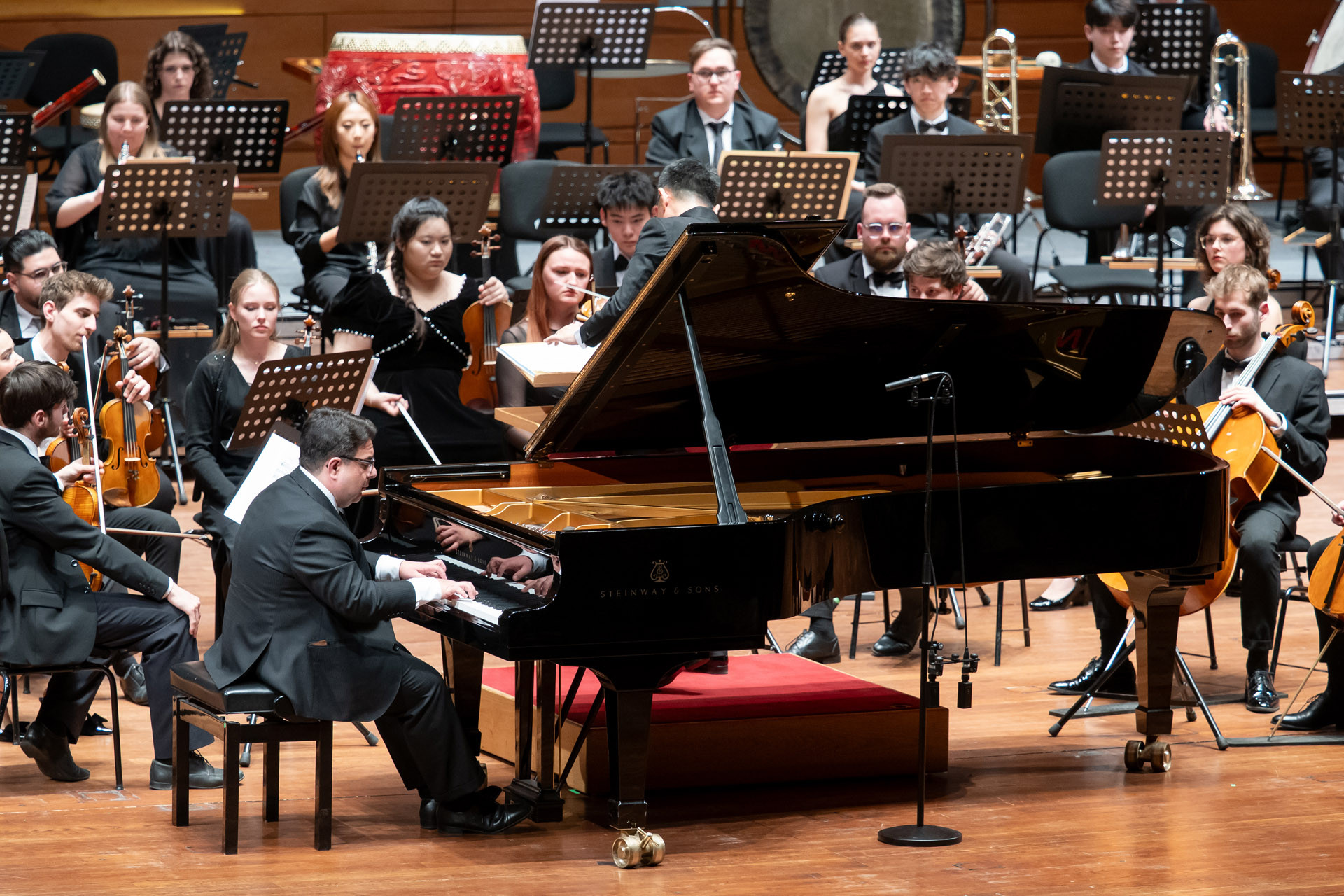
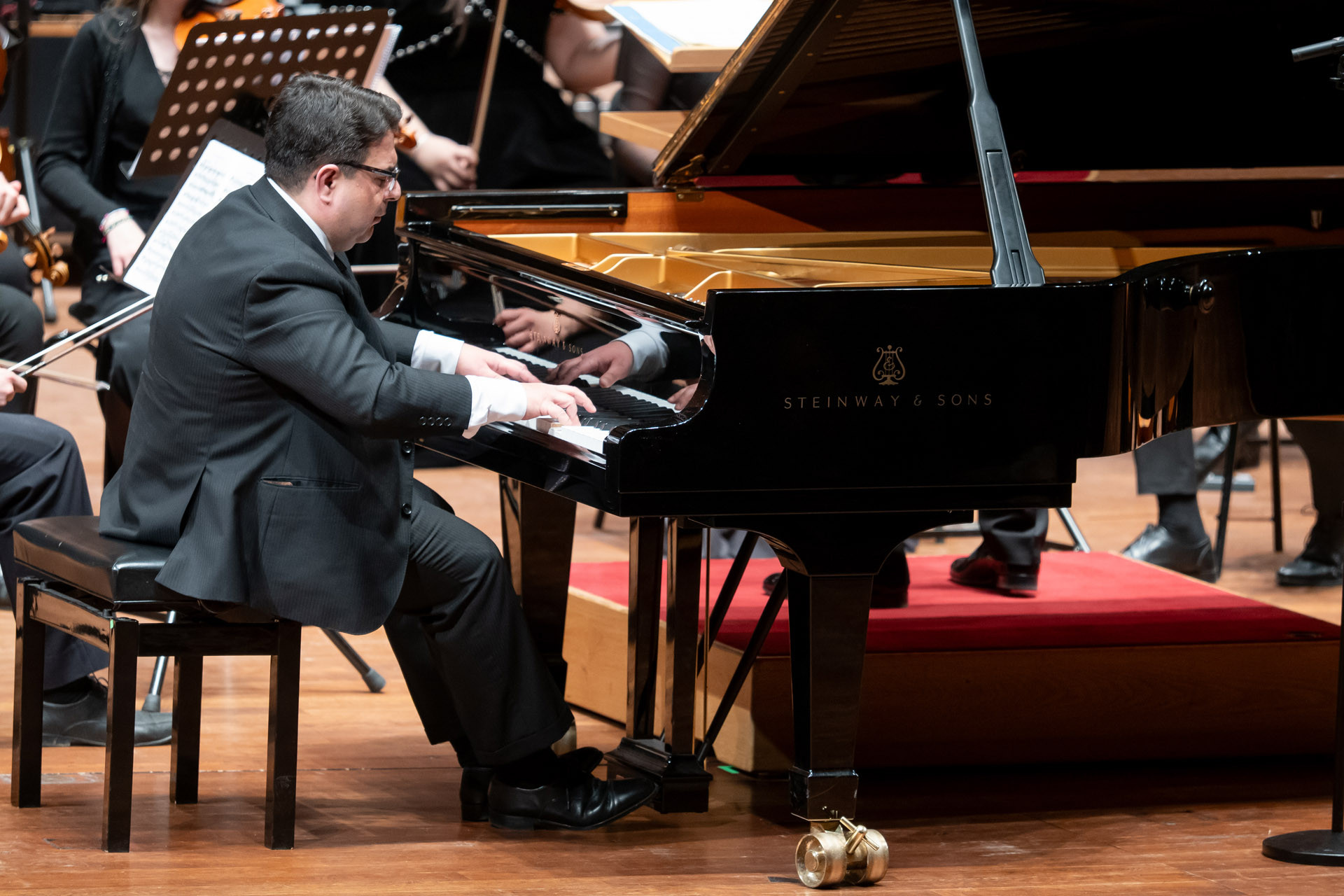
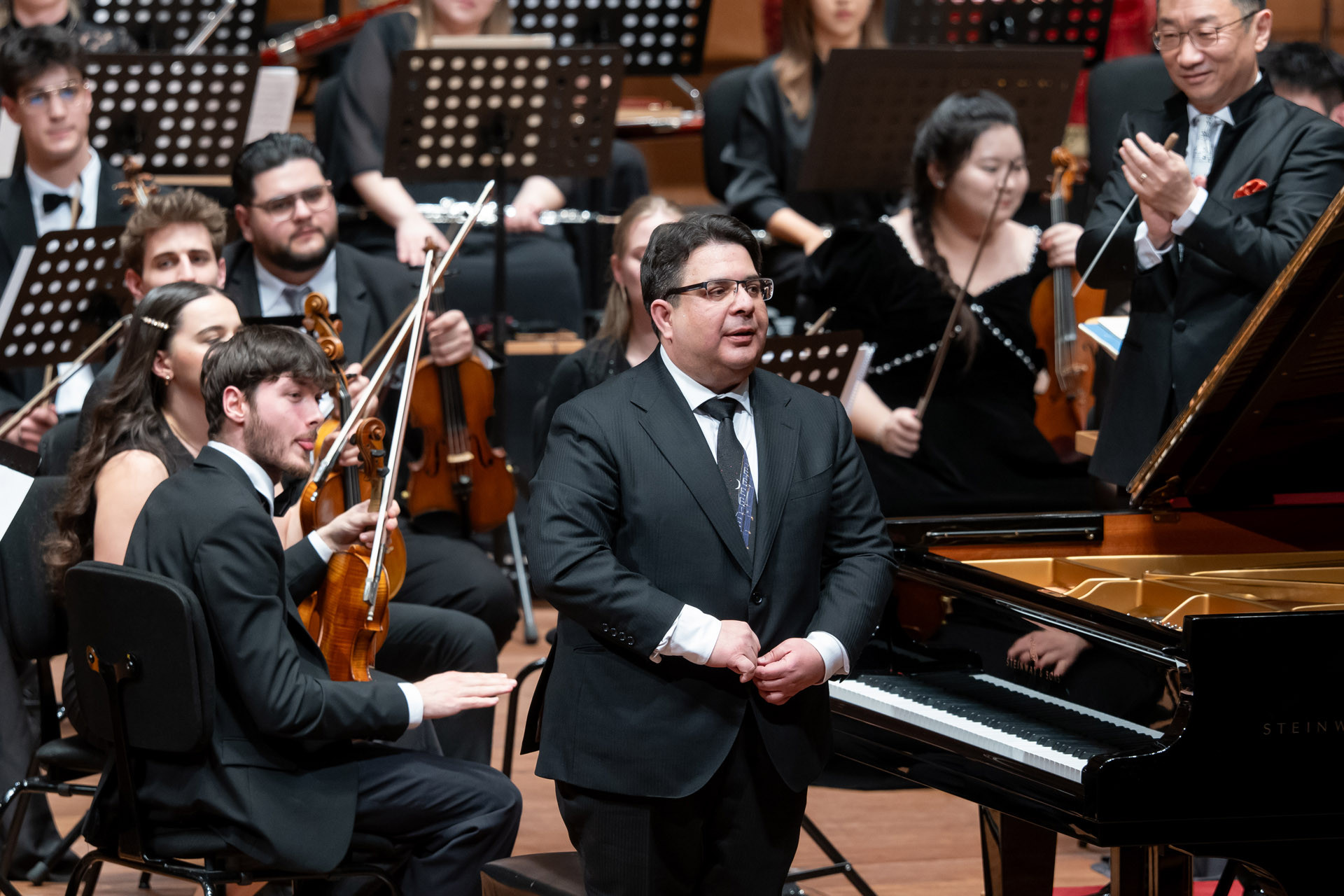
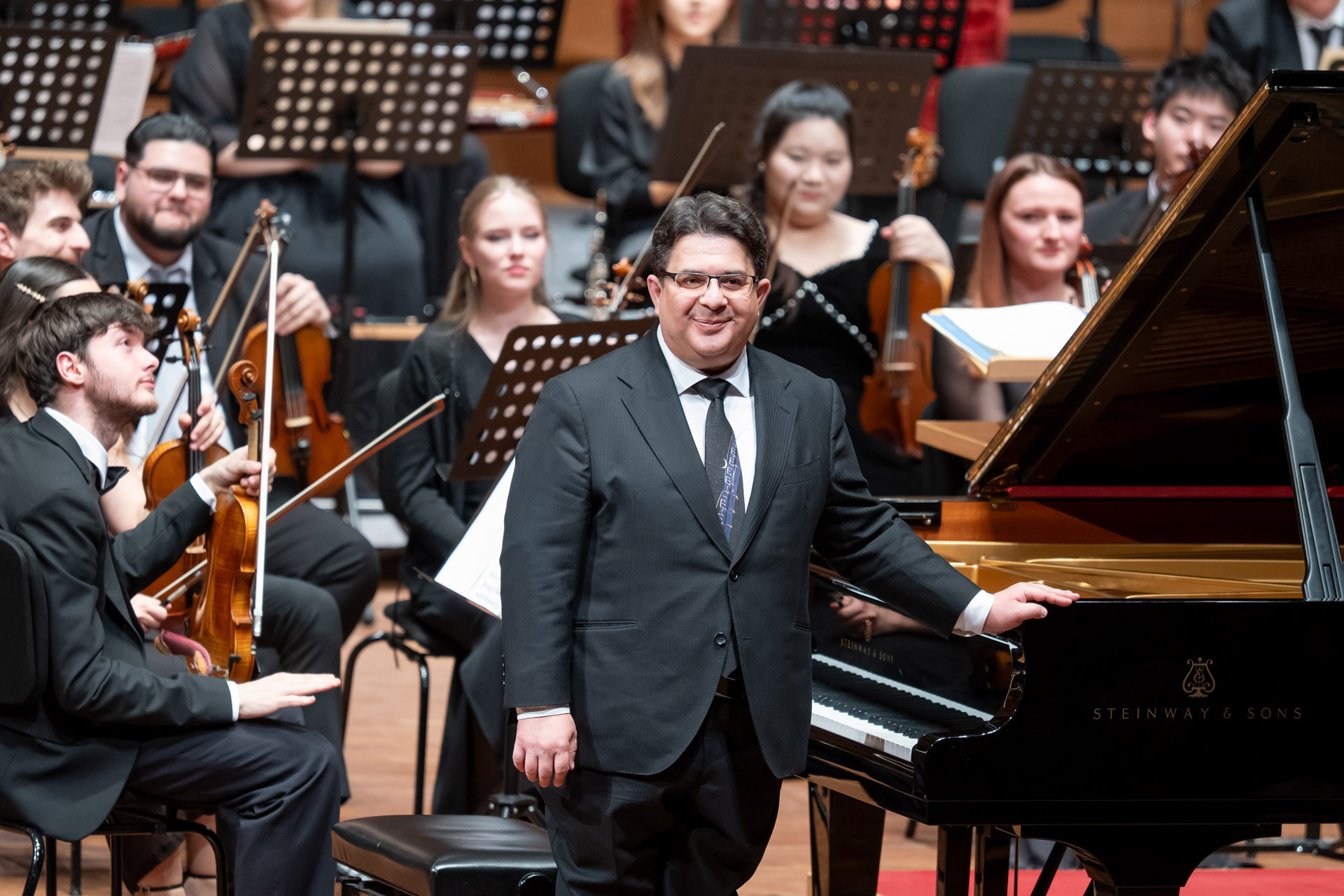
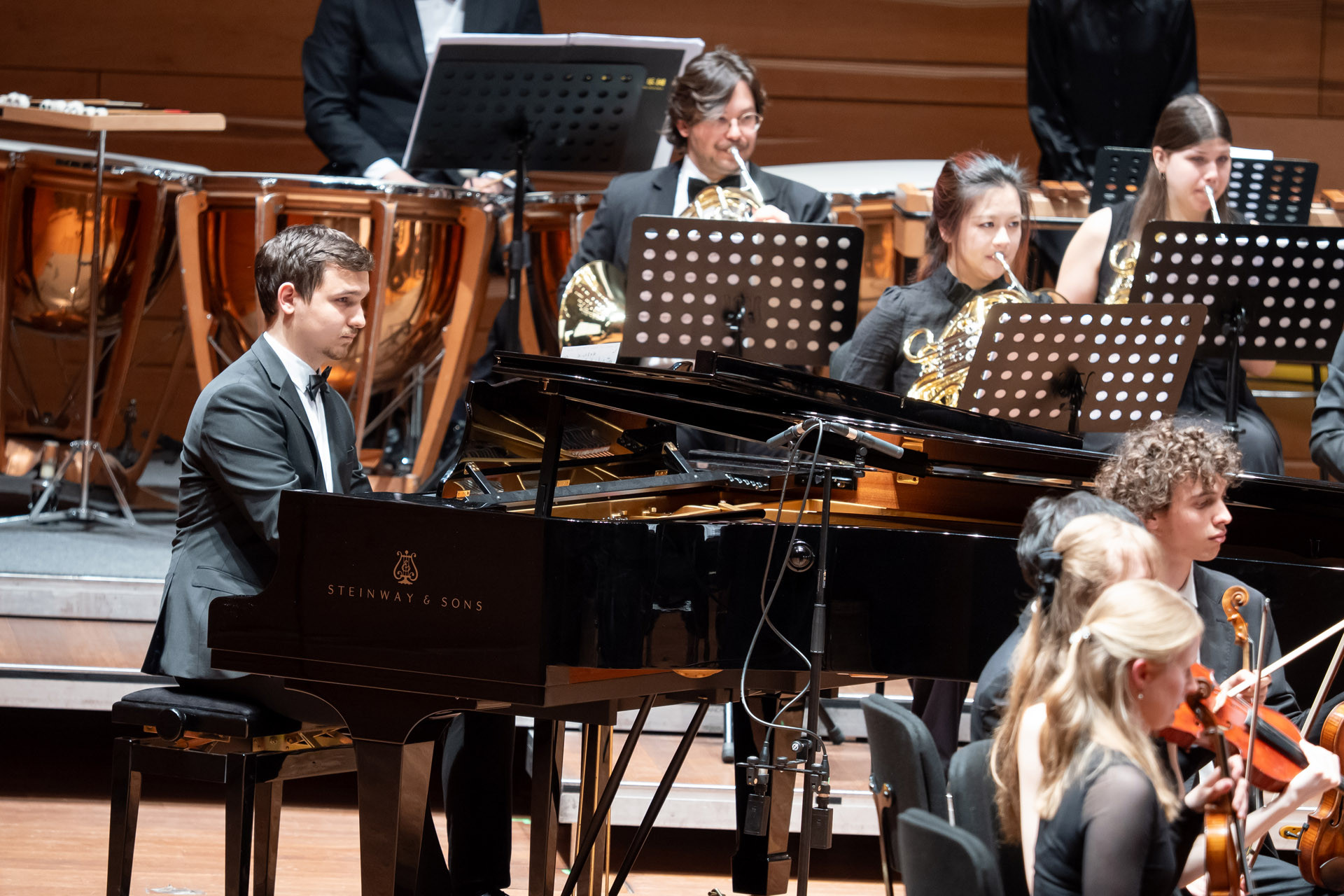
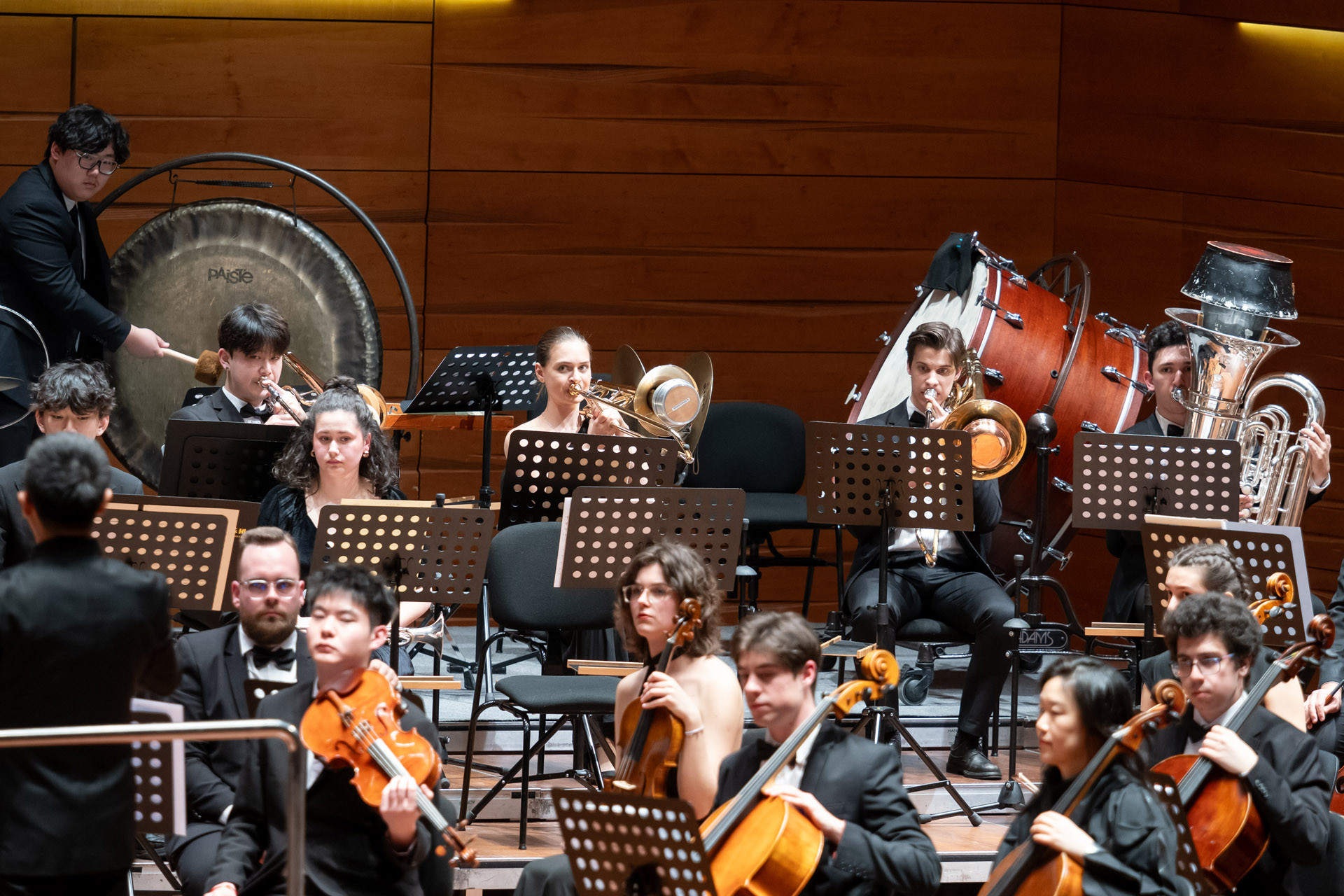
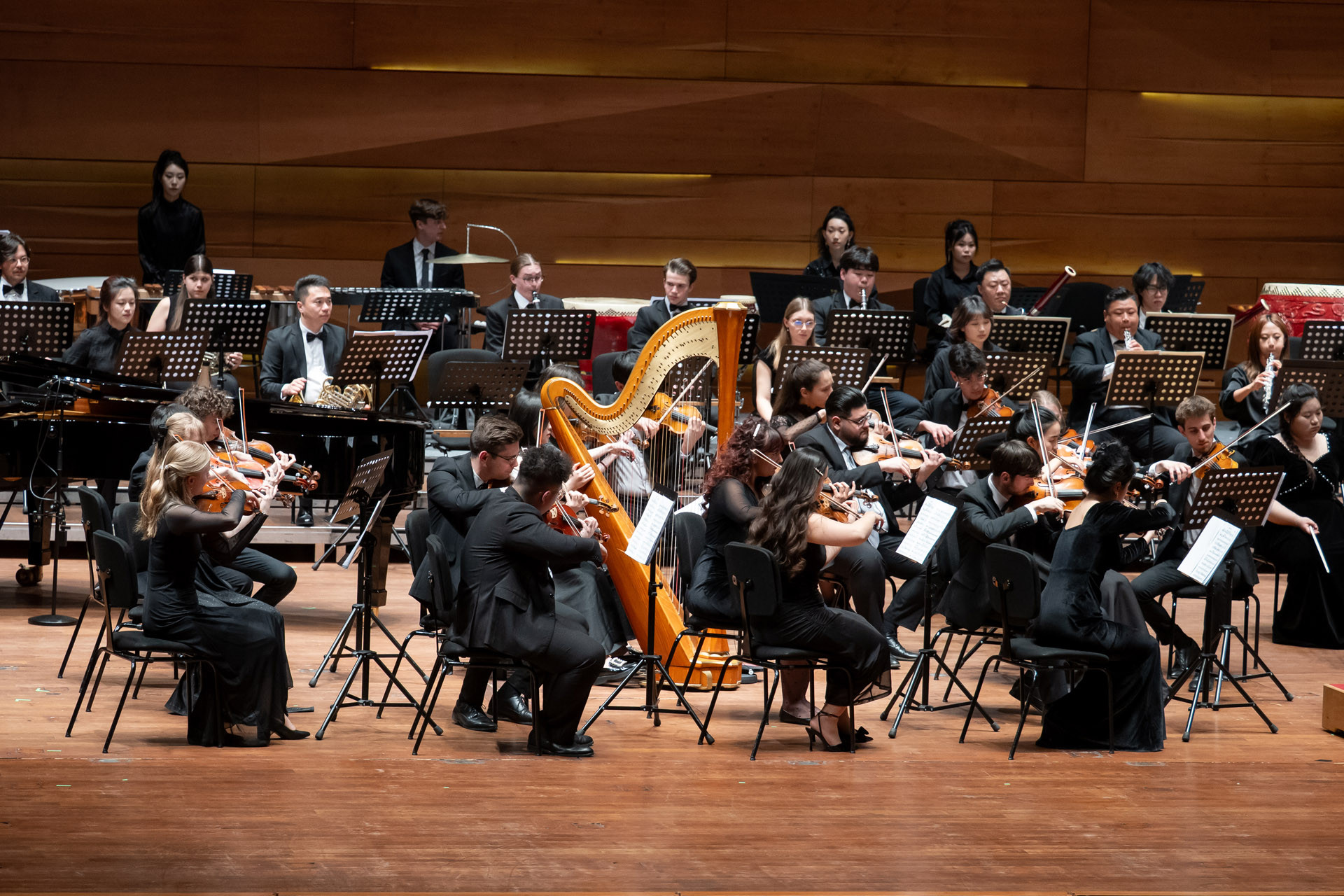
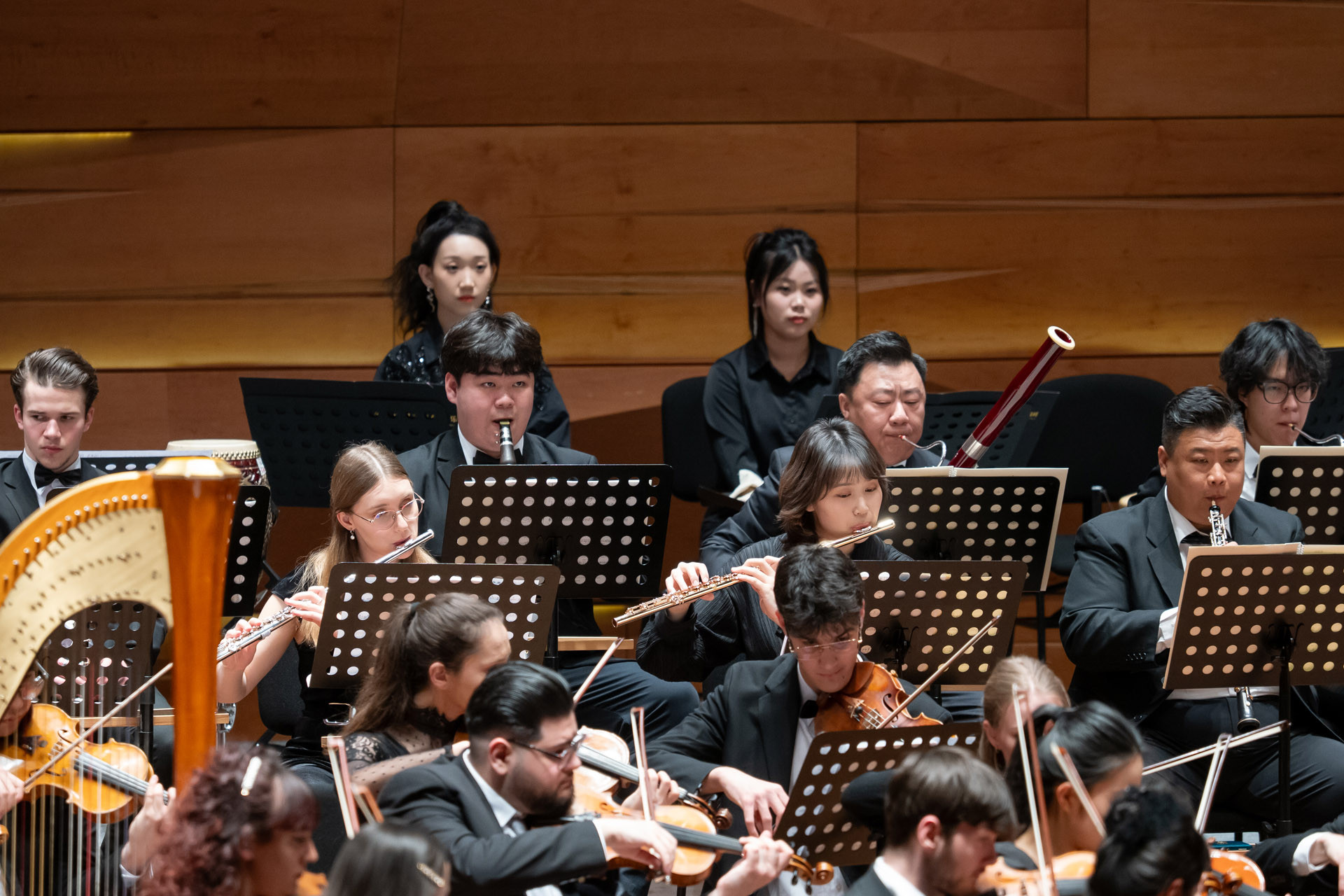
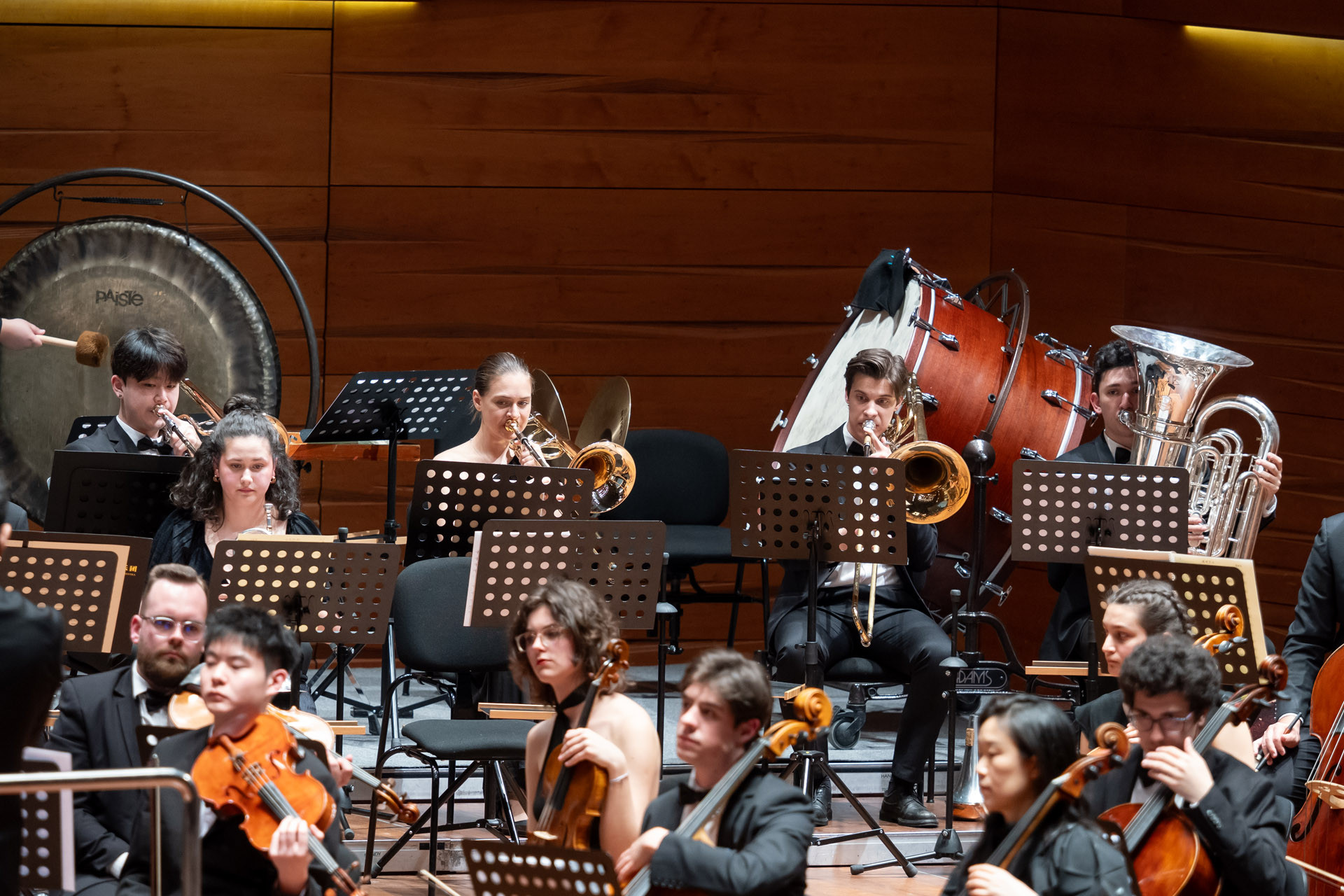
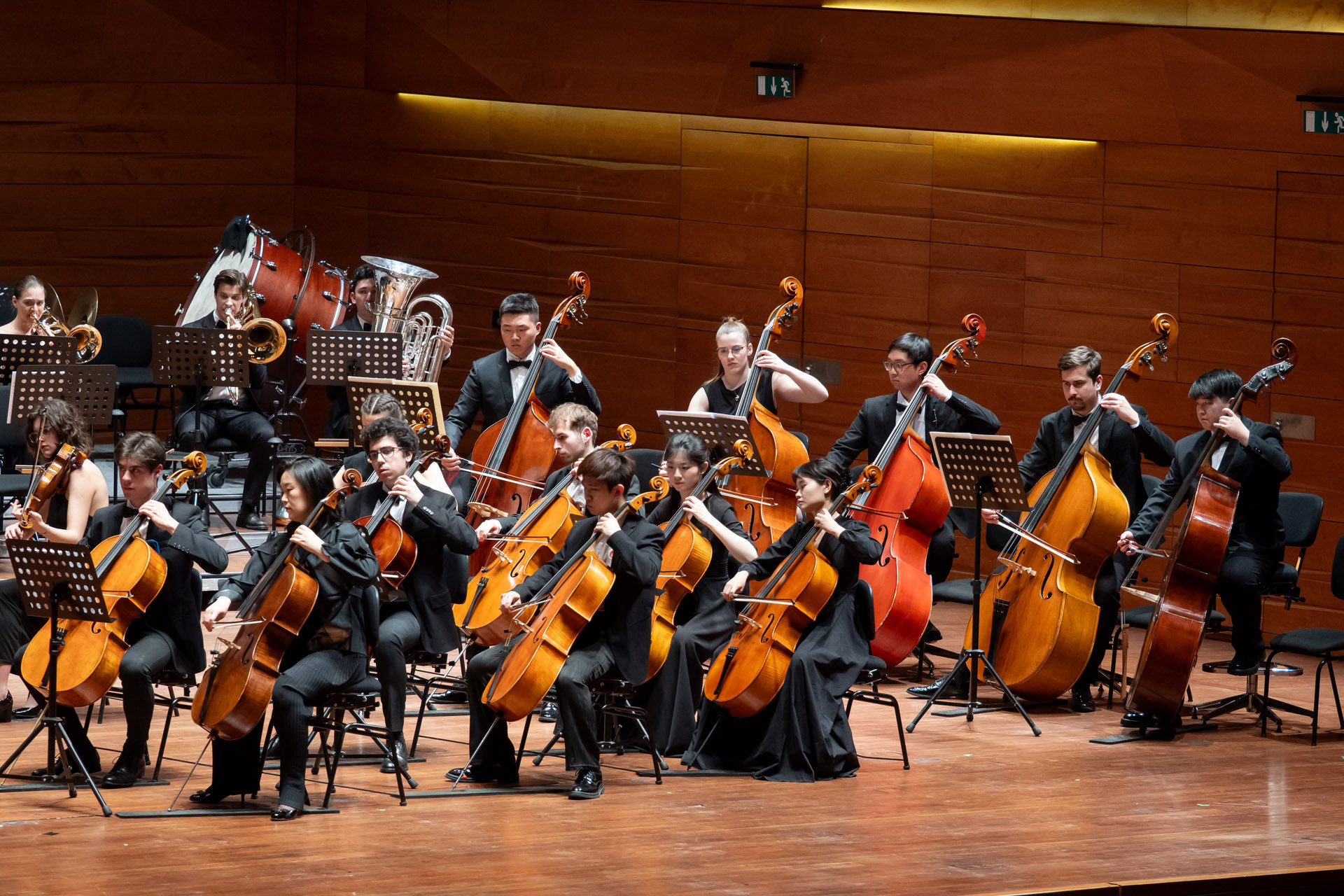
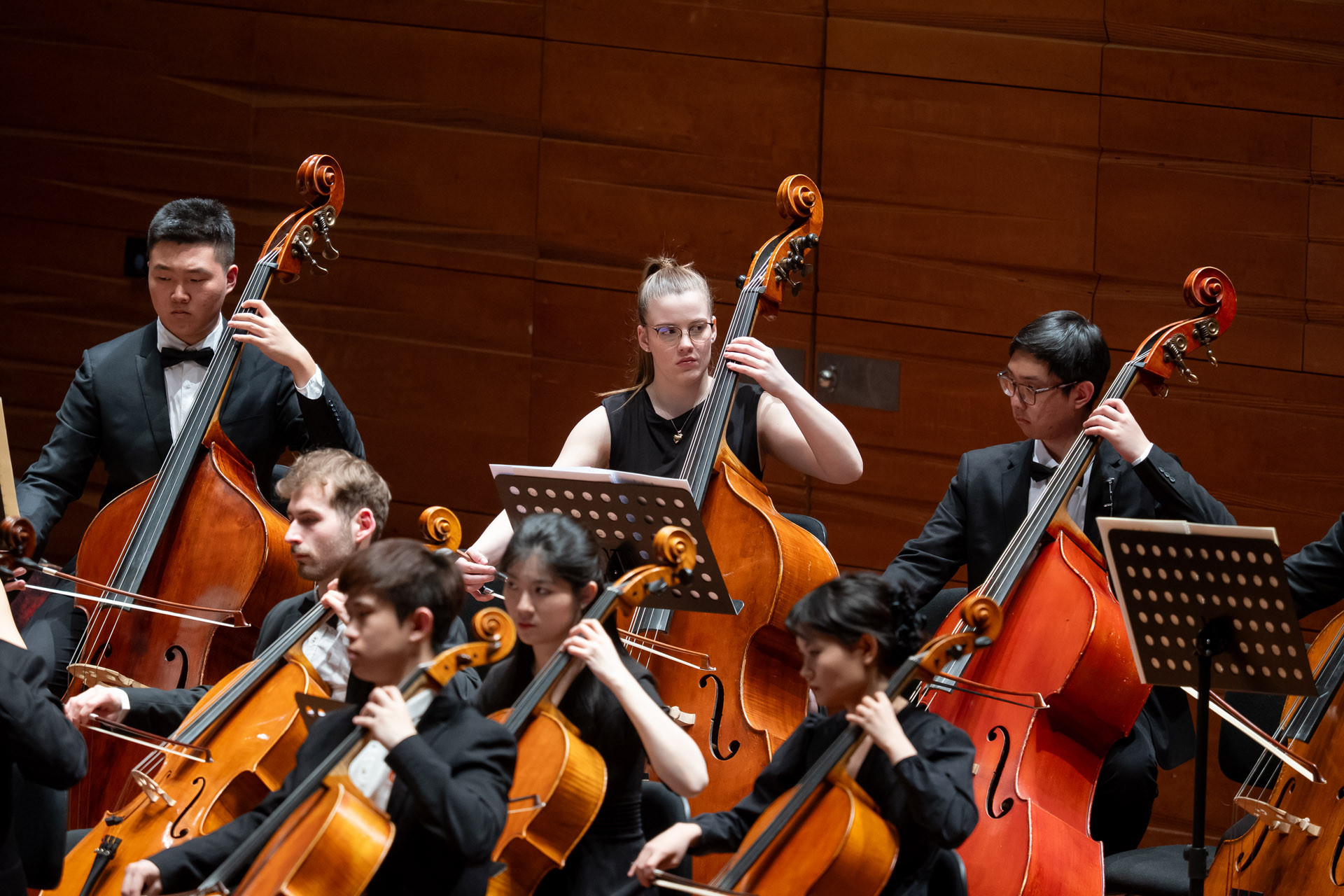
At the concert, students from the Liszt Academy of Music in Budapest and one of its partner universities in Beijing, the China Conservatory of Music, will perform together, to deepen the cooperation between the institutions and building bridges between countries and cultures.
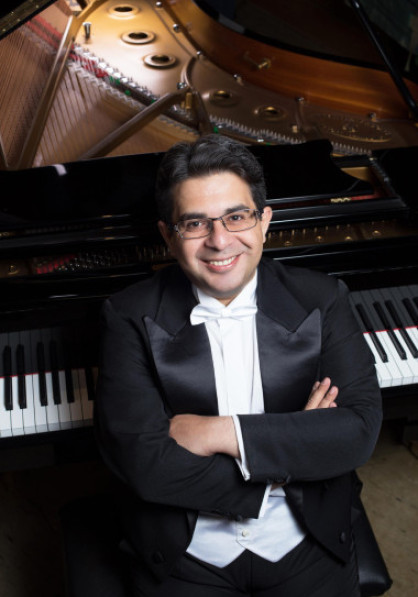
After two works by Ferenc Liszt, Les préludes as well as his Piano Concerto No. 2 with a solo by Gábor Farkas, the audience will be introduced to symphonic poems by two contemporary Chinese composers, which also feature special instruments characteristic of the Far East.
Xu Zhenmin wrote his composition Night Mooring by the Maple Bridge in 1991, which is one of the defining contemporary works of Chinese music literature and a superb example of the fusion of traditional Eastern flavor and Western orchestration techniques. The piece is based on the famous poem of the same title by Zhang Ji, a poet of the Tang dynasty, which captures the melancholy of a lonely traveler and the midnight bells of Hanshan Temple, located at the Maple Bridge in the suburbs of Suzhou, on an autumn night. The other is another frequently performed piece of music entitled A Lady General (also known as Lady Martial Mu Guiying). The symphonic poem, written by Deng Zongan, Liu Yubao, and others, tells the story of the legendary female warrior Mu Guiying.
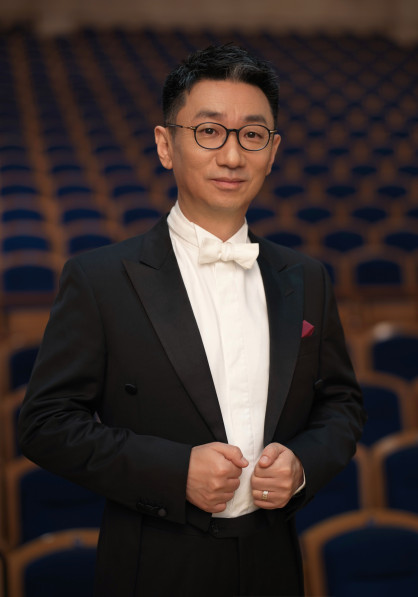
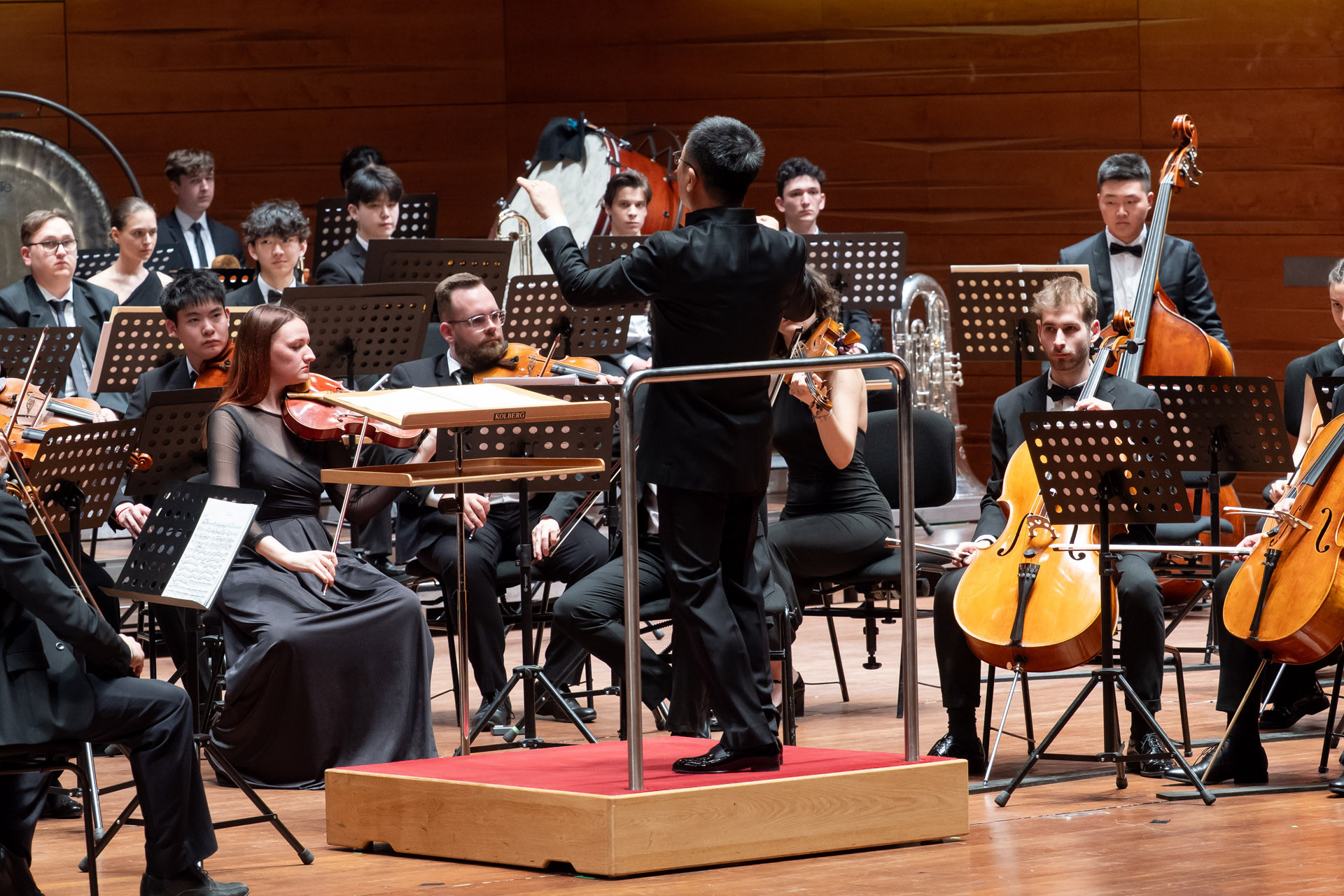
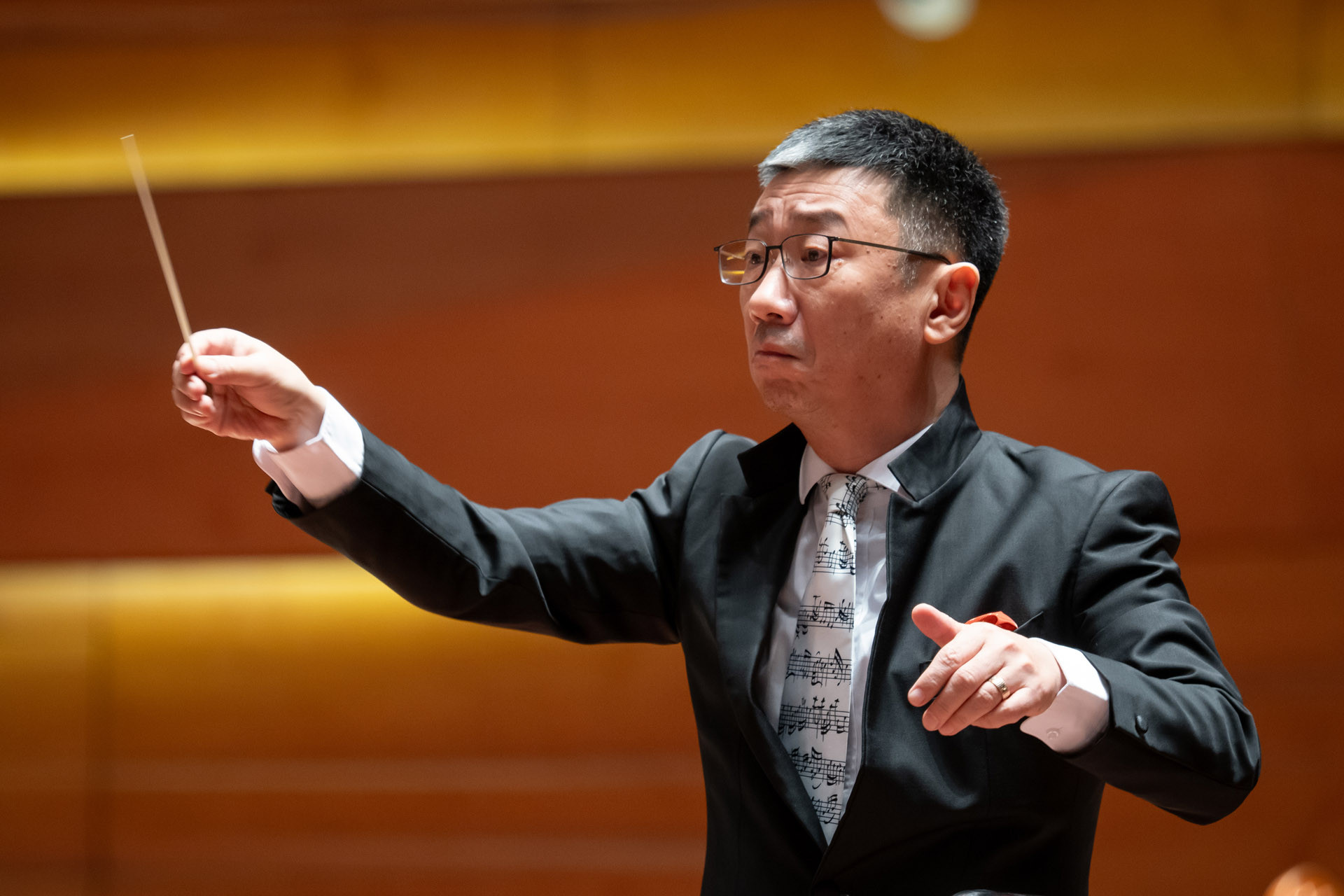
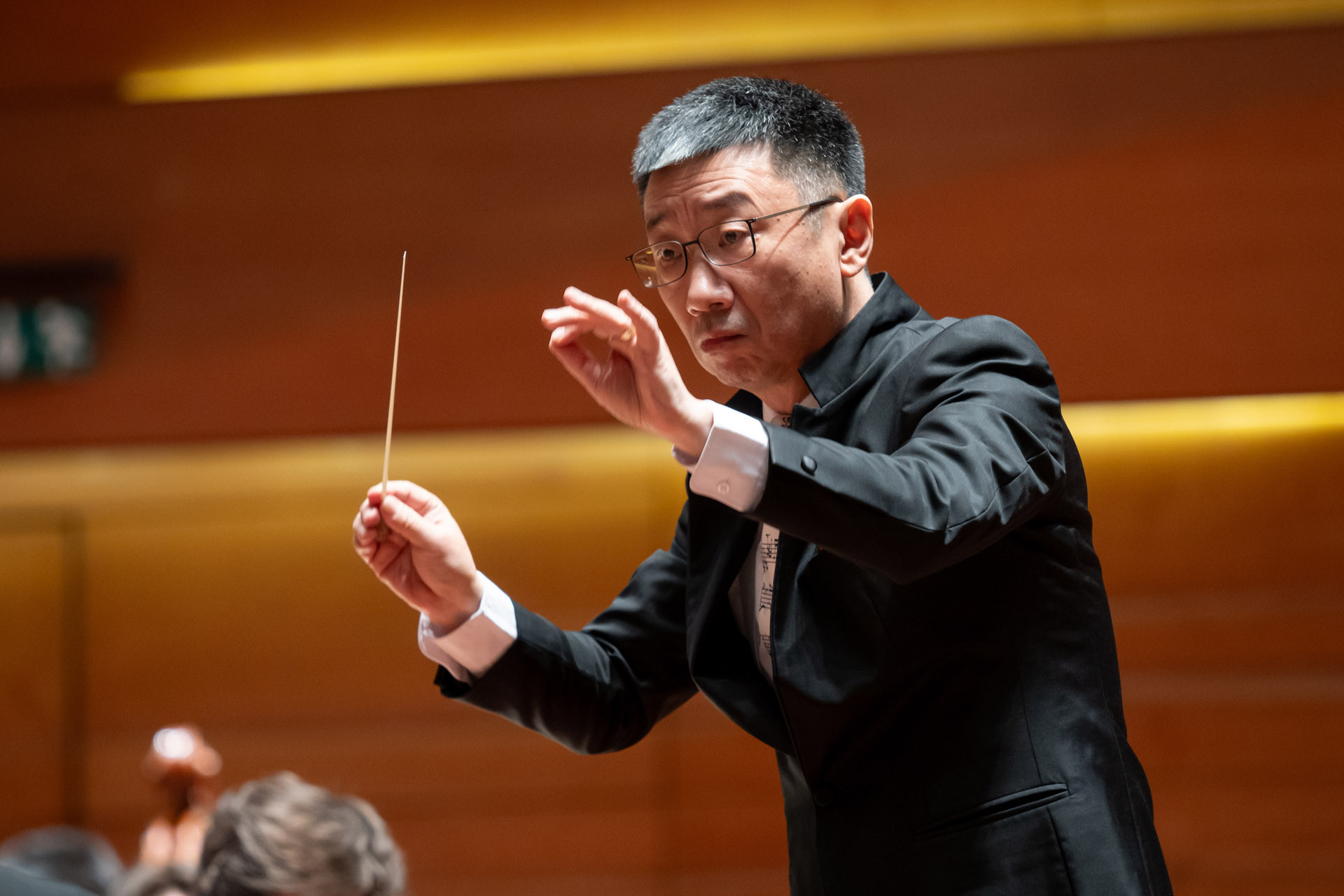
The conductor is Li Xincao, president of the China Conservatory of Music, who studied at the Central Conservatory in Beijing and the Vienna University of Music and Performing Arts (MDW). He was the first Chinese conductor to lead the Vienna State Opera Orchestra and has appeared as a guest conductor with the Chinese National Symphony Orchestra in many parts of the world, as he considers it his mission to promote his country's music.