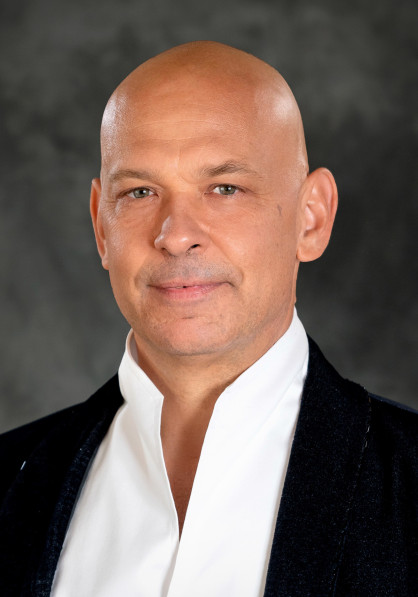
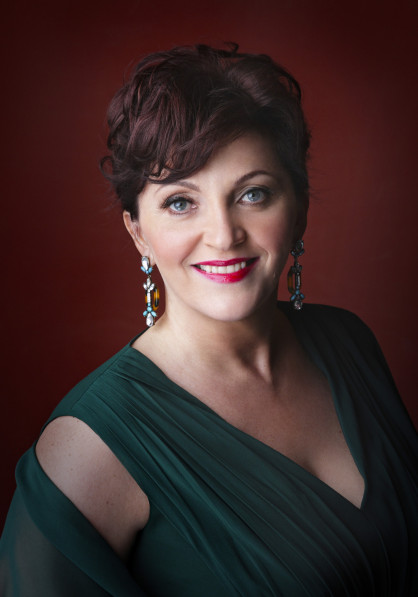
We warmly invite our audience to an engaging and unconventional discussion before the concert.
16:30–17:30: Do We Need Mohács? – A discussion with composer Prof. Dr. Péter Tóth, DLA, and historian Dr. Szabolcs Varga, moderated by Gerda Seres.
Admission: Admission is free, but registration is required. You can confirm your attendance at the discussion in just a few clicks using the link below. Thank you!
CLICK HERE TO REGISTER. Further details are available HERE.
"It's not when you're knocked down that you are defeated, but when you don't get back up." – says the composer Péter Tóth.
We can learn quite exciting and, at the same time, disturbing content based on the most recent historical research on Mohács. For a long time, Mohács lived in the community's consciousness as a story of defeat, misguided decisions, and national tragedy. However, the latest research paints a more complex and nuanced picture, indeed, a picture of standing ground: the defeat at Mohács was not caused by the backwardness of the Hungarian army or internal disunity, but by the overwhelming superiority of the Ottoman army. Also, the battle was a must that a multinational central European army had no choice but to undertake. The new approach is not a denial of defeat but an opportunity to revisit the notion of standing ground, responsibility, and the possibilities of the era. Behind the history of the defeat, more and more concrete events and human destinies are becoming known.
Thanks to the work of historian Szabolcs Varga and the researchers working with him – including archaeologists and other historians – within the Mohács 500 Research Programme, we can now view the circumstances and historical context of the battle with a more multifaceted approach that goes much beyond previous simplifications.
Archaeology and anthropology, as well as history, are thus enriching our picture of the Battle of Mohács with new details. The archaeologists in the research programme of the Janus Pannonius Museum, Pécs, led by Dr Gábor Bertók, also play a significant role alongside other excellent Hungarian institutions and experts. How does composer Péter Tóth - Meritorious Artist, university department head, full member of the Hungarian Academy of Arts, and head of its music faculty, as well as the head of the Department of Music Theory at the Faculty of Music of the University of Szeged - process all of this using the means of music? The composer aims for the audience to leave not only with a musical experience but with true catharsis. By the end of the piece, they should move from grief and historical remembrance to purification and the hope of a new beginning.
1526. The numbers on the premiere poster symbolise the passage of time to the digital present, showing that this historical turning point still affects us today. The relevance of the requiem, written 500 years later, lies precisely in the need to process historic wounds and interpret circumstances, whether through art, dialogue, or scholarship.
"After every failure, you must get back on your feet," states the author, and perhaps the first step is to face it, to admit the failure to ourselves, that we have suffered a loss, because "you cannot get up while lying on the ground". Confronting Mohács (and all elements of misfortune) remains relevant today, as does accepting our own bad decisions, because only then can recovery follow. This is what we want to express with these numbers. Number 5, turned around, symbolises this engagement and confrontation; at the same time, it is authentic, like this in printing technology.
We warmly welcome the audience to the Kodály Centre!